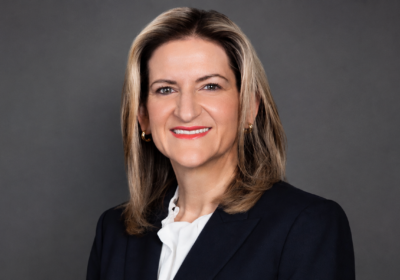


- Author: Cherie Mylordis
- Posted: December 11, 2025
Multigenerational tensions are quietly undermining workplace performance.
Why CFOs Could Hold the Key
It’s no secret that today’s workplace is a melting pot of ages and experience – with generations from Gen Z through to Baby boomers coexisting as colleagues. With a mix of expertise and perspectives, this diversity should be a competitive advantage. Yet in many organisations it’s becoming a quiet source of friction and entrenched bias.
The signs are subtle. They rarely appear in reports or dashboards, but they steadily erode trust, collaboration and performance.
As a leadership consultant working across industries, I hear common frustrations from every age group.
- Gen Z and Millennials feel dismissed or micromanaged.
- Gen Xers are sandwiched in the middle, trying to translate between worlds.
- Experienced Baby Boomers feel increasingly sidelined or out of step with shifting norms.
These tensions are not loud or dramatic. They accumulate in missed expectations, disengaged conversations and the slow decline of team cohesion. And for CFOs, who sit at the centre of strategy, transformation and operational performance, overlooking this dynamic creates a very real risk to organisational effectiveness.
A silent productivity drain
Finance and operations rely on clarity, accuracy and strong collaboration. Yet generational disconnection undermines all three. It shows up in small but costly ways: meetings that become unproductive, slower decision cycles, reluctance to speak up and declining discretionary effort.
In every organisation, the CFO is a key decision maker on strategic, systems and transformation investments based on projected ROI. Yet the success of these programs depends on high-performing teams that collaborate effectively to deliver value. When engagement drops and teams disconnect, even the best-designed initiatives fail to meet their potential.
This is unfolding against a backdrop of rising stress levels and falling engagement, especially among managers. When leaders feel depleted, teams fragment, and performance follows. Not because people aren’t capable, but because they’re not connecting.
Few leaders are equipped to navigate this decline, and without deliberate action, CFOs risk becoming the unwitting bottleneck in cultural cohesion.
Playing to strengths
One of the clearest insights from research into generational performance is that cognitive strengths peak at different ages. Some abilities peak earlier in life, for example processing speed, while others peak much later, such as emotional intelligence, judgement and resistance to bias.
This spread is exactly why intergenerational teams can outperform.
- Younger employees tend to bring pace and experimentation.
- Mid-career professionals offer pattern recognition and emotional insight.
- Later-career professionals bring stability, wisdom and measured decision-making.
The opportunity is to combine these strengths.
The risk is to allow outdated structures, assumptions and management models to block them.
How do we bridge the divide?
A practical way forward is my Work in 3D model; Dare, Ditch & Dial – A simple and effective approach to create conditions for people to do their best work. And it will also strengthen both performance and engagement across multi-generational teams.
Dare: Connect everything to purpose.
Purpose is one of the few things that transcends generational differences. While each generation may articulate it differently, everyone wants to feel that their work matters. That they’re part of something bigger. That their time, energy and expertise contribute to something worthwhile.
When teams rally around a shared sense of purpose, they listen more deeply, collaborate more effectively and extend empathy even when they disagree.
Purpose becomes the anchor. It aligns effort. It narrows the gaps between expectations. And most importantly, it gives everyone – from the newest Grad to the most senior executive – a reason to care, commit and contribute.
Ditch: Remove what no longer serves.
Generational tension grows in environments where outdated practices persist. CFOs can address this by being active and visible about eliminating unnecessary meetings and approval layers, challenging assumptions about different age groups, and encouraging teams to share at least one unhelpful process or habit to remove every month. Small shifts accumulate quickly, and by making ditching a team sport, you may be surprised where the next great idea comes from.
I’ve seen a “Super Ditch Day” initiative in a large corporate generate over 1900 ideas and streamline 19% of activities across the organisation. When given permission, people instinctively know what holds them back, proving that the old saying “that’s the way we’ve always done it” has no place in today’s workplaces.
Dial: Amplify what works.
Dial means dialing up the conditions that allow people and performance to thrive. Connection strengthens outcomes, and when teams have more autonomy, transparency and genuine collaboration, the work experience changes dramatically.
CFOs can promote simple yet powerful practices such as sharing career journeys, completing strengths profiles and running regular retrospectives to reflect and improve. These rituals are low-cost but high impact, dissolving generational misunderstandings, building trust and mutual respect.
Inviting a team to tackle a meaningful strategic problem is one of the most effective ways to dial up connection and performance. Nothing unites a multigenerational group faster than working together on a challenge that matters, so aligning with your executive peers on a shortlist of high-value problems would be a great start.
Teams that connect perform better.
Cognitive diversity is one of the most undervalued performance advantages in modern organisations. The goal is not to erase differences or force everyone to work the same way. It’s to create a culture where those differences become a source of strength.
In a multigenerational workforce, performance depends on connection, clarity and conditions. CFOs who understand and address generational friction will unlock higher engagement, faster decision-making and stronger collaboration that benefits both people and the business.
And CFOs are uniquely positioned to lead that shift. Purpose-driven work is a potent antidote to disengagement. When teams connect and apply their strengths to meaningful work, the gains are not only cultural but commercial, resulting in the kind of progress that fuels both human potential and organisational success.
About the Author
Cherie Mylordis is the founder of nextgenify, offering strategic guidance on future-fit organisations, leadership and change, and nextgenify Academy, a professional development platform for the modern workplace.
To learn more visit: https://nextgenify.com/
Related Posts