

- Author: Richard McBride, Editor CFO Magazine A NZ
- Posted: September 15, 2025
Scaling with Purpose: How a CFO Helped Kieser Grow Without Losing Its Soul
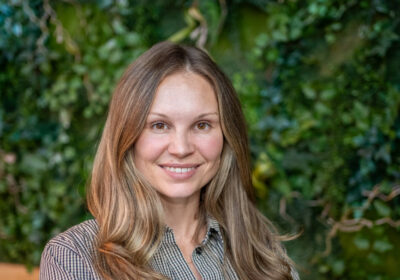
When Dianna Butterworth joined Kieser, the entire head office team could fit around one meeting table. The business had 13 clinics, a tight-knit culture, and a clear mission to help more Australians live stronger, healthier, and more independent lives.
“What drew me in was that sense of purpose,” Butterworth says. “I could see the difference Kieser was making in people’s lives and I wanted to be part of helping it reach more communities.”
Initially, she came in as a consultant, tasked with ensuring the business could grow without losing what made it special.
As Butterworth puts it, “The first step was creating stability, making systems more consistent, tidying up processes and giving finance the capacity to think ahead instead of just keeping up.”
When growth outpaces your systems
For a while, that foundation held. But as Kieser grew to 25 clinics, the cracks became impossible to ignore.
The finance team was working across 27 separate accounting files and more than 80 spreadsheets – none of them connected. Version control was a nightmare. Formulas broke. Reports took hours to reconcile.
“We were spending more time fixing numbers than using them,” Butterworth recalls. “When you can’t 100% trust the numbers, you’ve hit a critical point for change.”
From firefighting to future-shaping
The turning point came with Kieser’s adoption of NetSuite as its finance and operations platform. For the first time, there was a single source of truth for financial, operational, and performance data.
“It wasn’t just about replacing spreadsheets and accounting files,” Butterworth says. “It was about being able to see the whole business in real time, connecting operational activity to clinical outcomes, spotting trends early, and making sure resources went where they had the most impact.”
Today, month-end reporting takes days, not weeks. The team can run scenarios, forecast with confidence, and contribute directly to strategic conversations about expansion and partnerships.
AI capabilities are now being trialled to enhance predictive analysis, freeing people to focus on judgment calls that still require human insight.
Scaling care without compromising quality
Seven years on from Butterworth joining Kieser, the business has 31 clinics, nearly 800 staff and a finance function fully embedded in strategic decision-making. But scaling hasn’t meant diluting its model.
“Kieser isn’t a gym,” Butterworth says. “It’s an evidence-based health service, led by clinicians and supported by specialised, Swiss-engineered strength-training equipment designed for rehabilitation and long-term health outcomes.
“This technology allows clients to train with precision, targeting specific muscle groups safely, even post-surgery or after injury, in a way you won’t find in a standard gym or physiotherapy setting.”
The organisation partners with hospitals, insurers, employers and community health providers to make this care more accessible, supporting communities where preventive and rehab services are either harder to find or have limited capacity.
“As demand for preventive care grows, we have both the opportunity and the responsibility to make sure more Australians can benefit from what we do,” Butterworth says.
The human side of leadership
For Butterworth, leadership is as much about how you show up as what you deliver. She leans on her “five pillars” – physical health, nutrition, sleep, mental health, and social connection – to stay grounded.
“If one pillar falls, the whole house crumbles,” she says. “It’s the same for a business – you can’t expect it to hold if the foundations aren’t strong.”
Her regular self-care routines – which include training at Kieser twice a week, Pilates on weekends, prioritising sleep, and carving out quiet time – are all part of her leadership toolkit.
“If I’m running on empty, I can’t lead well,” Butterworth says. “My team deserves better than that.”
Looking ahead
With national expansion on the horizon, Butterworth knows growth will bring fresh complexity. But her approach remains the same: strong foundations, close connections, and a clear sense of purpose.
“You don’t need to know everything,” she says. “But you do need to be connected – to your people, your peers, your partners. That’s how you stay ahead.”
Her guiding values – authenticity, industry, persistence, and patience – also haven’t changed.
“If you just show up as yourself, people respond,” she says. “And if we can keep growing without losing sight of why we’re here, we’ll be stronger – not just as a business, but as a force for better health across Australia.”
Dianna’s Top 3 things every CFO should remember about leading through growth:
Build the foundation before you scale
“You can’t forecast, analyse or lead strategically if you’re still chasing reports or fixing broken processes. Get the basics running smoothly, then lift your head up and shape the future.”
Agility is as important as accuracy
“Finance isn’t always complicated, but there’s a lot to stay across. You need to move between priorities quickly and stay in step with the business as it grows.”
You can’t lead well if you don’t show up well
“There’s no use having strategy if you’re running on empty. People look to you for clarity and energy, and you can’t give that if you’re not looking after yourself.”
Related Posts