

- Author: Richard McBride Editor, CFO Magazine A NZ
- Posted: January 14, 2026
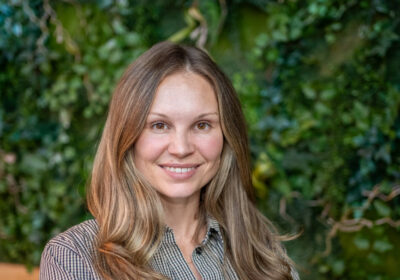
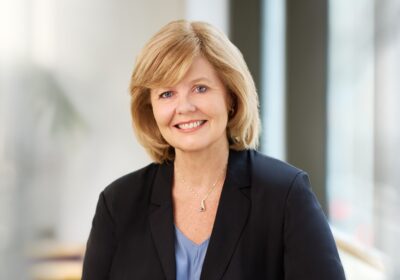
Katherine Nguyen, Group CFO | SKG Services
How are A/NZ CFOs Preparing for 2026?
As a new year gets underway, CFOs across Australia & New Zealand are taking stock of the past 12 months while setting priorities for the year ahead. For SKG Services, 2026 also represents a major milestone, with the family-owned Australian services business set to mark its 50th anniversary.
In this interview, CFO Magazine A/NZ Editor Richard McBride speaks with Katherine Nguyen, Group CFO at SKG, about leading finance through uncertainty, reinforcing core financial disciplines in a highly decentralised organisation, and modernising systems to support sustainable growth. From margin management and digital transformation to AI, ESG and building future-ready finance teams, Katherine reflects on the lessons of the past year and outlines her vision for the next chapter of SKG’s evolution in this exclusive interview.
RM – Katherine, looking back over the last 12 months, what moments stand out for you as CFO, and how have they shaped your thinking heading into 2026?
KN – Discipline and visibility have been very important for the past 12 months during periods of upheaval. The complexities of cost pressures and workforce and client expectations at scale have really made clear the importance of timely data and clear accountability in decision making. It has influenced my thinking going into 2026 around the importance of reinforcing fundamentals – margin control, operational cadence and consistent execution – while investing in systems and people to back growth.
RM – Looking back to the start of your career, what first attracted you to finance, and how have you seen the CFO role evolve from your early days in finance to your role today?
KN – What initially drew me to finance and operations was seeing how powerful the right decisions can be when they’re backed by strong, high-quality data and a real understanding of how a business works. Coming from a consulting background, I was drawn to organisations that could cut through complexity, understand what was driving performance, and make better, more informed decisions. Over time, that naturally brought me closer to finance and operations, where many of those decisions are ultimately made.
RM – SKG is approaching its 50th anniversary this year – a significant milestone. When you reflect on that legacy, what responsibility do you feel as Group CFO at this point in the business’s history?
Having now reached 50 years is a testament to resilience, adaptability and strong leadership over the long haul. As Group CFO, I have an obligation to honour a legacy that helps ensure that we remain financially disciplined, transparent and well-positioned for the future. That is to protect what has been successful in the past for SKG while modernising our financial frameworks so the organisation can keep growing, evolving, and serving clients for decades to come.
RM – You oversee finance for over 3,500 people across nearly 2,000 sites. What are the day-to-day realities of keeping financial control in such a decentralised, service-driven organisation?
KN – The reality is that clarity, communication and discipline matter enormously. With a large, geographically dispersed workforce, it’s critical that the right teams are performing the right tasks so the business continues to operate effectively. As the business grows, having clear processes, efficient use of resources and a culture of engagement and empowerment enables teams to keep the wheels turning while maintaining control across thousands of sites.
RM – With rising costs and ongoing uncertainty, how do you balance the pressure to grow the business with the need to protect margins and service quality?
KN – We see technology and process design as an investment, not just a cost-control measure. By leveraging technology for monitoring, timesheets and scalability — while maintaining a strong human element in our organisational design — we avoid relying on systems or people alone. This balance allows us to standardise quality, smooth resource allocation and make evidence-based decisions, which ultimately drives costs down while protecting service delivery.
RM – Short-term priorities for 2026 – Looking ahead to the next 12 months, what are your immediate finance priorities and ‘low hanging fruits’?
KN – In the near-term this includes tightening margin management, raising oversight across the site level costs visibility, and deepening forecasting and performance rhythms across the business to become more systematic, integrated. There are immediate opportunities in standardising processes, improving overtime and labour controls, better utilising the data we already have to drive faster, more confident decisions
RM – Long-term vision to 2030 – And looking further out, how do you envision SKG’s finance function in 2030? What does a resilient, future-ready finance function look like to you?
KN – I envision finance by 2030 as a highly integrated, insight-led function working in close alignment with operations and leadership. The finance team of the future will be less transaction-oriented and more focused on scenario analysis, risk management, and strategic decision-making. Robust systems, clean data and empowered people will enable finance to anticipate, not just respond to, problems.
RM – The CFO role continues to expand into areas like digital transformation, data, and ESG. What additional responsibilities have landed in your remit?
KN – The role has expanded beyond traditional finance. Digital transformation, data integrity and ESG are all deeply embedded in how I approach my role at SKG. Technology isn’t just a support function for finance — it’s a cornerstone of how we build and run the organisation. Used well, it creates transparency, strengthens compliance and allows the business to scale without diluting control.
From an ESG perspective, transparency and responsible operations are increasingly critical. Our systems give us clear, site-level visibility across workforce compliance, award interpretation and service delivery, which is essential not only for internal governance but also for meeting client and regulatory expectations. I see technology and data as enablers of better ESG outcomes — they allow us to make confident, evidence-based decisions that support sustainable growth, protect our people, and meet the standards expected by governments and large organisations.
RM – In a business with decades of legacy systems and processes, driving digital transformation can be challenging. How have you approached modernising SKG’s finance function, and what lessons have you learned along the way?
KN – Rather than relying on a single system, we’ve focused on building an ecosystem of connected platforms. At the centre is our proprietary platform, SKGenius, which supports onboarding, rostering, timesheets, attendance and quality control. From there, we integrate best-in-class platforms through APIs. The key lesson has been that integration matters more than volume – using the right tools for the right reasons, paired with judgment, accountability and experience.
RM – Contemporary CFOs often combine building in-house capabilities, outsourcing parts of the function, and leveraging technology and automation. How have you approached structuring and future-proofing SKG’s finance function?
KN – Our approach is to ensure systems reflect how the business actually operates. Platforms such as Zudello allow us to design approval workflows aligned to real decision-making, while tools like ELMO and Sage Intacct support payroll accuracy and consolidated reporting. The focus isn’t on automation for its own sake, but on creating end-to-end processes that run smoothly, with human checks in place where they add value.
RM – How would you describe SKG’s AI journey so far – are you experimenting, scaling, or taking a more cautious approach?
KN – Our approach to AI is practical and targeted. We’re currently using it for document reading and invoice processing to reduce manual work and minimise errors. It’s about removing repetitive tasks rather than replacing people, while also tightening controls through invoice matching and approval processes.
RM – From your perspective, what are some of the biggest hurdles to embedding AI effectively in finance – talent, data quality, trust, technology, or change management?
KN – The number one hurdles are data quality and change management. AI is only as good as the data upon which it is based, and that demands discipline, consistency and robust governance. Equally crucial is trust – guiding teams to see how AI supports rather than displaces work, with appropriate controls and accountability around its use.
RM – When you picture a high-performing finance team in 2026, what looks different compared to five years ago?
KN – A top finance team in 2026 will be far more nimble, commercial and situated in the business. The process is less manual, there’s clearer accountability and insight-led support and decision-making. Finance professionals are closer to operations, utilising real-time data to detect risks and opportunities sooner and are more directly part of performance results.
RM – While more women are entering finance, there’s still work to be done. What steps can be taken to promote greater gender diversity and broader inclusion in finance leadership across Australia?
KN – Progress comes from more than just mentoring – it requires creating real opportunities. That means supporting women to step into visible, commercially meaningful roles, encouraging honest conversations, and providing constructive feedback, sometimes with a push before they feel fully ready. Flexibility matters, but so do high standards and accountability. Leadership pathways need to support different life stages without lowering expectations.
RM – Looking ahead, what are the top 3 personal or professional goals you’re focusing on over the next 18 months?
KN – First, continuing to strengthen SKG’s financial foundations to enable scalable, sustainable growth.
Second, developing strong leaders in finance and operations teams who can take on larger responsibilities.
And third, ensuring technology, data and governance keep evolving to support commercial outcomes and long-term resilience.
RM – Thank you Katherine for your time and shared CFO insights, we wish you all the best for 2026 and beyond!
Related Posts